We Help You
Create Meaningful
And Lasting Change In The World
By empowering you to develop the mindset, skillset, and accountability needed to successfully become a life or leadership coach.
Canada’s #1 Life Coaching School has trained over 15,000 life coaches in 90 countries
We Help You
Create Meaningful
And Lasting Change In The World
By empowering you to develop the mindset, skillset, and accountability needed to successfully become a life coach.
Canada’s #1 Life Coaching School has trained over 15,000 life coaches in 90 countries
Ready to Become a Coach & Build a Coaching Business
Already a Coach & Struggling To Find Clients
Ready to Become a Coach & Build a Coaching Business
Already a Coach & Struggling To Find Clients
FEATURED IN







FEATURED IN
Wondering If You're In The Right Place?
Not sure if you have what it takes to become a life coach?
Uncertain about the path to take to get certified?
Overwhelmed by the vast ocean of coaching techniques, unsure which ones really work?
You Are Not Alone...
Many have stood where you stand now, weighed down by similar concerns and hesitations.
Here's The Truth..
With the right guidance, tools, and community, you can navigate through these uncertainties and thrive in your coaching career.
Your passion, combined with our proven strategies, can transform those fears into stepping stones towards your dream.
Wondering if
you're in the
right place?
Not sure if you have what it takes to become a life coach?
Uncertain about the path to take to get certified?
Overwhelmed by the vast ocean of coaching techniques, unsure which ones really work?
You Are Not Alone...
Many have stood where you stand now, weighed down by similar concerns and hesitations.
Here's The Truth..
With the right guidance, tools, and community, you can navigate through these uncertainties and thrive in your coaching career.
Your passion, combined with our proven strategies, can transform those fears into stepping stones towards your dream.

HERE’s A BETTER WAY: LET’S DO IT TOGETHER
Your Blueprint to Success: Mindset, Skill & Accountability
Since 2006, Certified Coaches Federation has guided 15,000+ coaches. With our expert team at your side, you're getting the best coaching education.
We're not just teaching – we're sharing life-tested strategies. That's our commitment to quality for you.
HERE’s A BETTER WAY: LET’S DO IT TOGETHER
Your Blueprint to Success: Mindset, Skill & Accountability
Since 2006, Certified Coaches Federation has guided 15,000+ coaches. With our expert team at your side, you're getting the best coaching education.
We're not just teaching – we're sharing life-tested strategies. That's our commitment to quality for you.

I am very fired up to achieve my goals. So thank you CCF. I look forward to taking your other courses and I am just so excited for the opportunities that will happen and I look forward to working with my future clients as a coach and I highly recommend it if you want to be a coach. CCF is the way to go!

Sharlis Thompson
I am very fired up to achieve my goals. So thank you CCF. I look forward to taking your other courses and I am just so excited for the opportunities that will happen and I look forward to working with my future clients as a coach and I highly recommend it if you want to be a coach. CCF is the way to go!
Sharlis Thompson
About CCF
Our approach to coaching is refreshingly modern and straightforward. We believe that a good Life Coach Training Program shouldn't be a time-consuming and complicated ordeal. That's why our students, who are often experienced and confident individuals, choose us for a more efficient and effective coaching journey.
At the Certified Coaches Federation, we steer clear of unnecessary jargon, providing our coaches with practical and effective tools.
Uncovering and aligning with the client's goals
Encouraging self-discovery and empowerment
Drawing out client-generated solutions and strategies
Holding clients accountable for their actions
About CCF
Our approach to coaching is refreshingly modern and straightforward. We believe that a good Life Coach Training Program shouldn't be a time-consuming and complicated ordeal. That's why our students, who are often experienced and confident individuals, choose us for a more efficient and effective coaching journey.
At the Certified Coaches Federation, we steer clear of unnecessary jargon, providing our coaches with practical and effective tools.
Uncovering and aligning with the client's goals
Encouraging self-discovery and empowerment
Drawing out client-generated solutions and strategies
Holding clients accountable for their actions
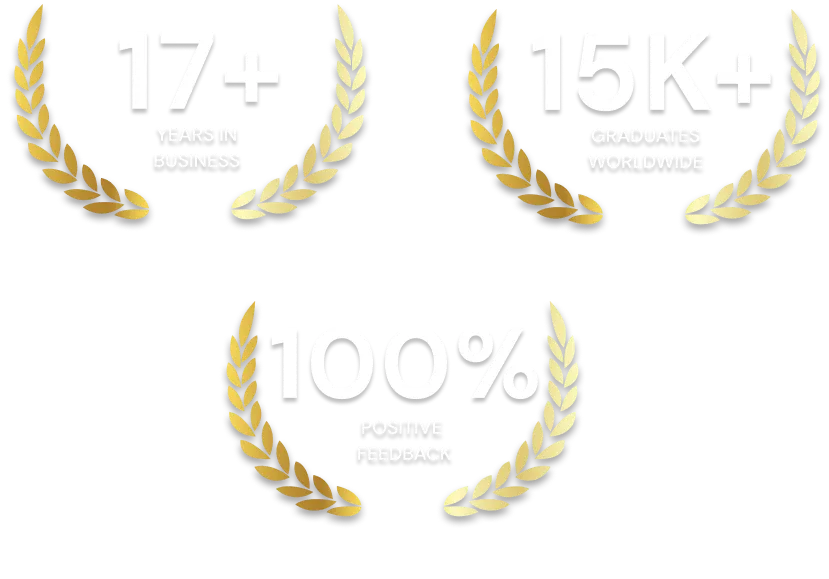
Thousand More 5-Star Reviews

We’ve spent 17+ years as Master Life Coaches working with top CEOs, business owners, entrepreneurs, teachers, and stay-at-home parents.
Thousands More
5-Star Reviews
We’ve spent 17+ years as Master Life Coaches working with top CEOs, business owners, entrepreneurs, teachers, and stay-at-home parents.
"The Accelerated Coach Training program has been excellent. It far exceeded my expectations, and I learned so much. It gave me new tools to create positive change in my life, and tools to develop my new life coaching business."
Suzanne Welstead
“The one-to-one coaching sessions that we went through were thought-provoking and energizing and really helped prepare me to start booking my coaching sessions immediately.”
Leo Tintinalli
“ I was very pleased with the program and the coaching that I received and I would highly recommend it to anyone who is thinking about a career in coaching and wanting a business around that”
Caitlin Rae
I want to share with you guys how excited I am because I was given a whole bunch of tools taught in a really positive environment with a great group of coaches. Tools I can implement to build my business of my dreams - that is my coaching business. I am so excited, I feel so empowered and ready to give her. I would just encourage you to hippity hop and get to it because you will not regret the information that you are gonna be fed and taught.

Nicole Mattice

Start Your Journey
Not sure where to get started?
Here's where most successful coaches start their journey!
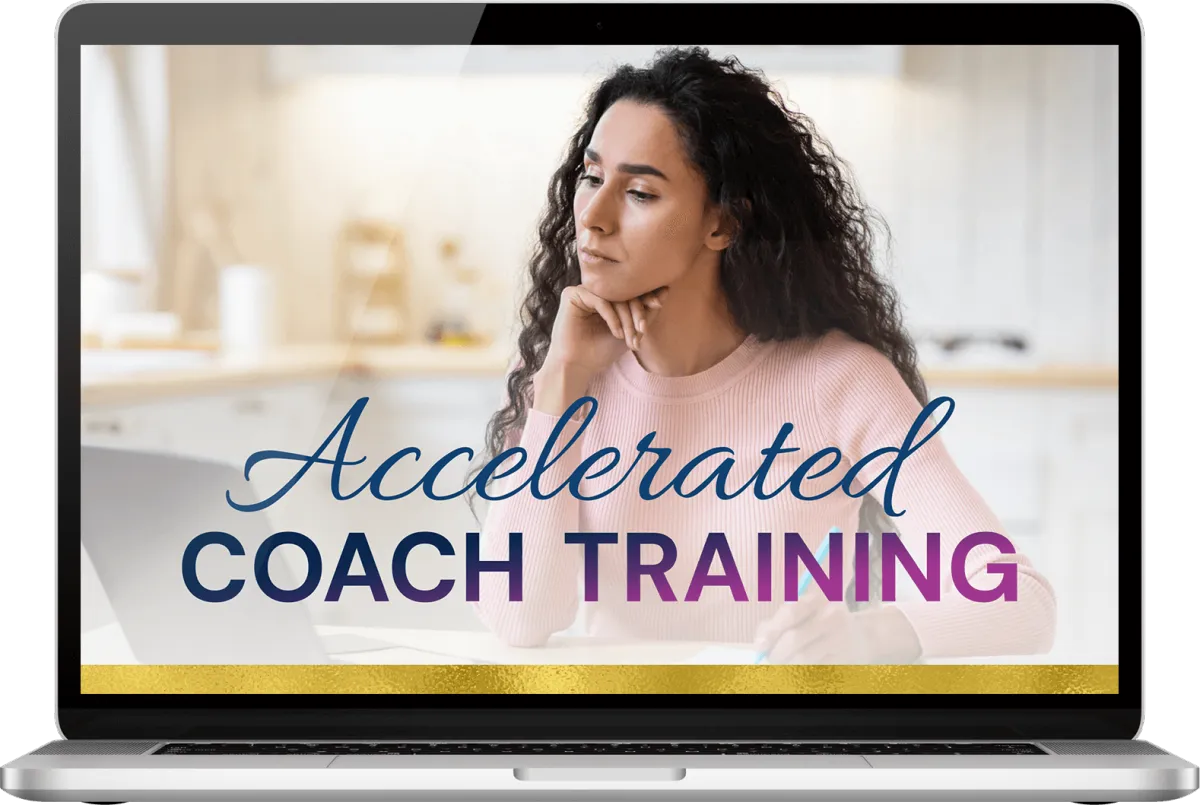
Accelerated Coach Training
Become a Certified Coach Practitioner - be set to help, guide and shine. In just 6 weeks, The Accelerated Coach Training empowers you to achieve incredible results quickly and easily.
With this program, you'll become a high-impact coach, unlocking your limitless potential and transforming lives with confidence and ease.
Coaches Entrepreneurial Roadmap
Become a Certified Coach Practitioner and - walk away feeling confident and have a step by step plan to get your first 3 clients.
You'll develop the skills to become an entrepreneur and start your coaching business quickly and easily, allowing you to replace your current income with your coaching business.
Certified Leadership Coach Practitioner
Unleash the Ultimate Power of Leadership Coaching - dive into a world where guiding top-tier leaders, executives, and innovative entrepreneurs is not only possible but invigorating.
With our hands-on, strength-based approach, you'll gain the precise tools needed to direct your clients towards success beyond their wildest dreams.
Start Your Journey
Not sure where to get started? Here's where most successful coaches start their journey!
Accelerated
Coach Training
Become a Certified Coach Practitioner - be set to help, guide and shine. In just 6 weeks, The Accelerated Coach Training empowers you to achieve incredible results quickly and easily.
With this program, you'll become a high-impact coach, unlocking your limitless potential and transforming lives with confidence and ease.
Coaches Entrepreneurial Roadmap
Become a Certified Coach Practitioner and - walk away feeling confident and have a step by step plan to get your first 3 clients.
You'll develop the skills to become an entrepreneur and start your coaching business quickly and easily and replace your current income with your coaching business.
Certified Leadership Coach Practitioner
Unleash the Ultimate Power of Leadership Coaching - dive into a world where guiding top-tier leaders, executives, and innovative entrepreneurs is not only possible but invigorating.
With our hands-on, strength-based approach, you'll gain the precise tools needed to direct your clients towards success beyond their wildest dreams.

Join
The Movement in life and leadership coaching
The Certified Coaches Federation is on a mission to set the benchmark for excellence in life & leadership coaching and enable people everywhere to unleash their potential and manifest their dreams. With our Certification Programs we empower individuals from all walks of life to create unimaginable success in every area of their lives.


Join
The Movement in life and leadership coaching
The Certified Coaches Federation is on a mission to set the benchmark for excellence in life & leadership coaching and enable people everywhere to unleash their potential and manifest their dreams. With our Certification Programs we empower individuals from all walks of life to create unimaginable success in every area of their lives.

Real People,
Real Results
Here's what other people are saying about us
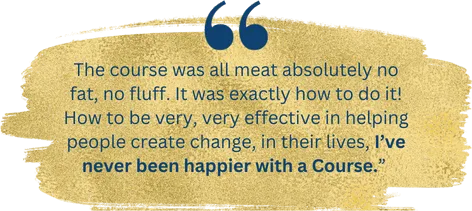
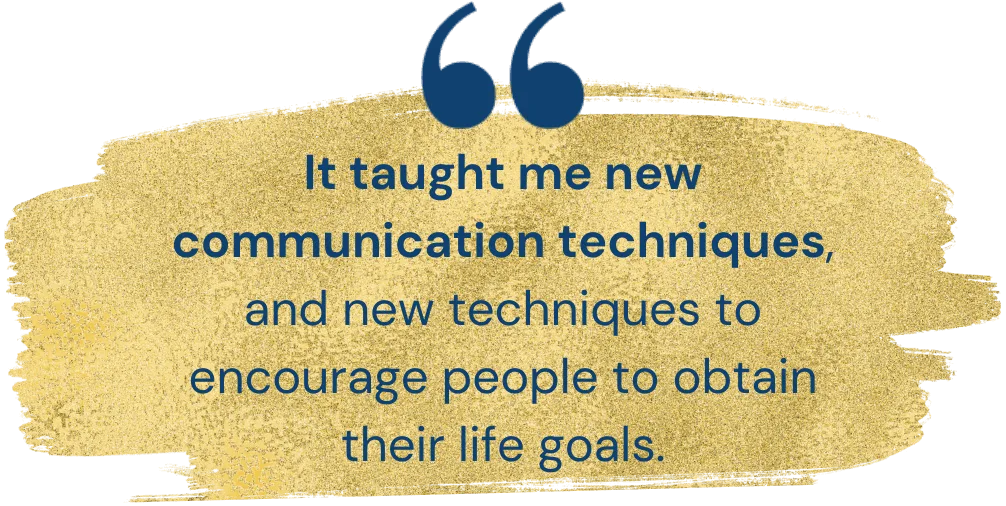
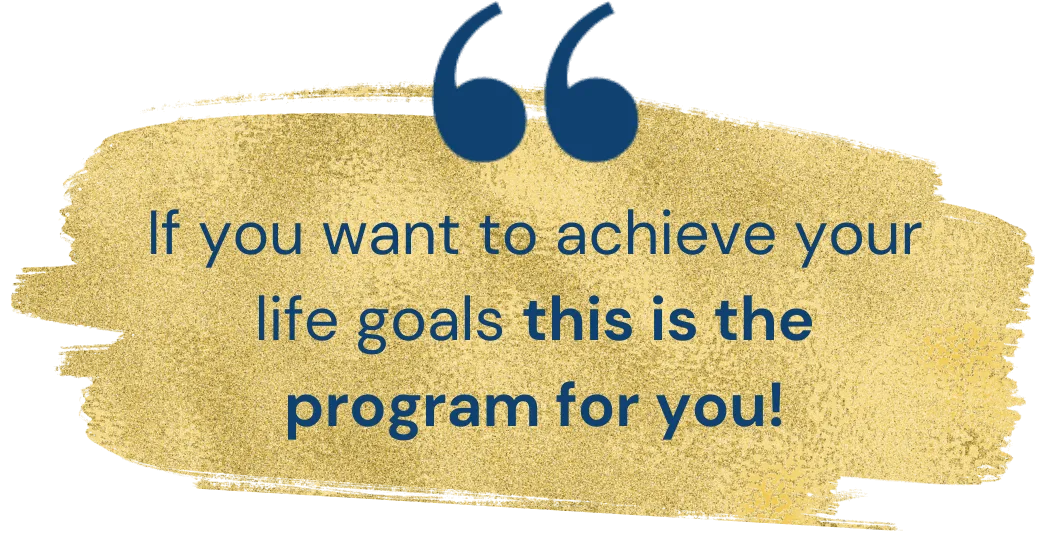
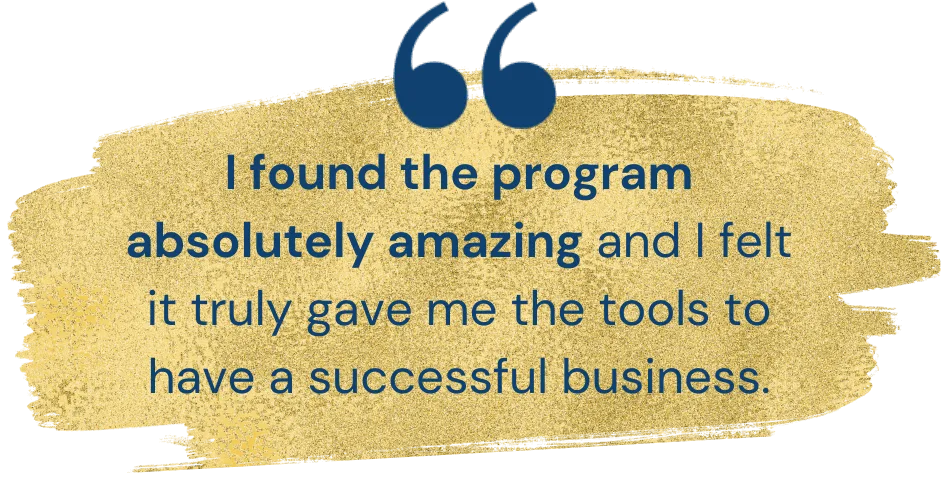
Real People, Real Results
Here's what other people are saying about us
Real People, Real Results
Here's what other people are saying about us

"I just took the Certified Coaches Federation course and let me tell you, it was amazing. This course teaches a simple model for coaching. I found tremendous value in learning professional, yet practical and real world techniques. I was given excellent information and tools that essentially could be implemented into any kind of coaching practice. This course ignited my vision to take things to the next level, both in my life and in my business. I'm amazed of the possibilities."
Stephanie
"I just took the Certified Coaches Federation course and let me tell you, it was amazing. This course teaches a simple model for coaching. I found tremendous value in learning professional, yet practical and real world techniques. I was given excellent information and tools that essentially could be implemented into any kind of coaching practice. This course ignited my vision to take things to the next level, both in my life and in my business. I'm amazed of the possibilities."
Stephanie
Your Coaching Compass:
Navigating Success Together
Every story, every insight, every tip is curated with one goal: to guide you towards coaching success and personal fulfillment

Skillset

Mindset

Accountability
Your Coaching Compass:
Navigating Success Together
Every story, every insight, every tip is curated with one goal: to guide you towards coaching success and personal fulfillment
Skillset
Mindset
Accountability
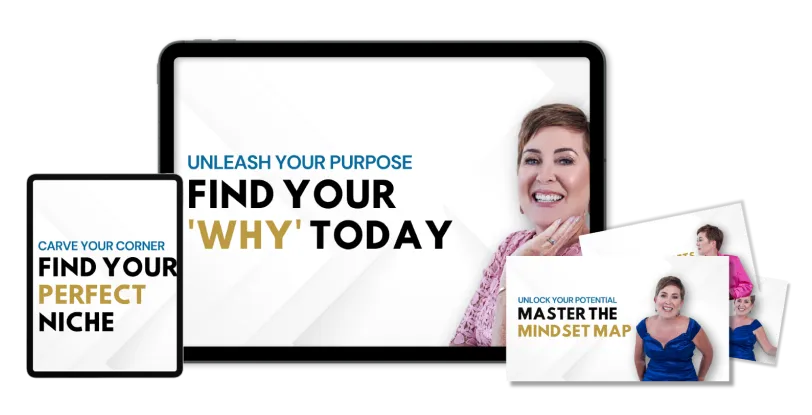
Do You Ever Wonder What It Takes To Be A Great Coach?
Stop guessing! In today’s FREE 10-Day on-demand coaching session you’ll learn all the important skills and the real essence of great coaching 👇
Do You Ever Wonder What It Takes To Be A Great Coach?
Stop guessing! In today’s FREE 10-Day on-demand coaching session you’ll learn all the important skills and the real essence of great coaching 👇



certifications / TRAININGS
CERTIFIED COACHES FEDERATION | TERMS OF USE | PRIVACY POLICY